Most People Don’t Know This Credit Score Rule
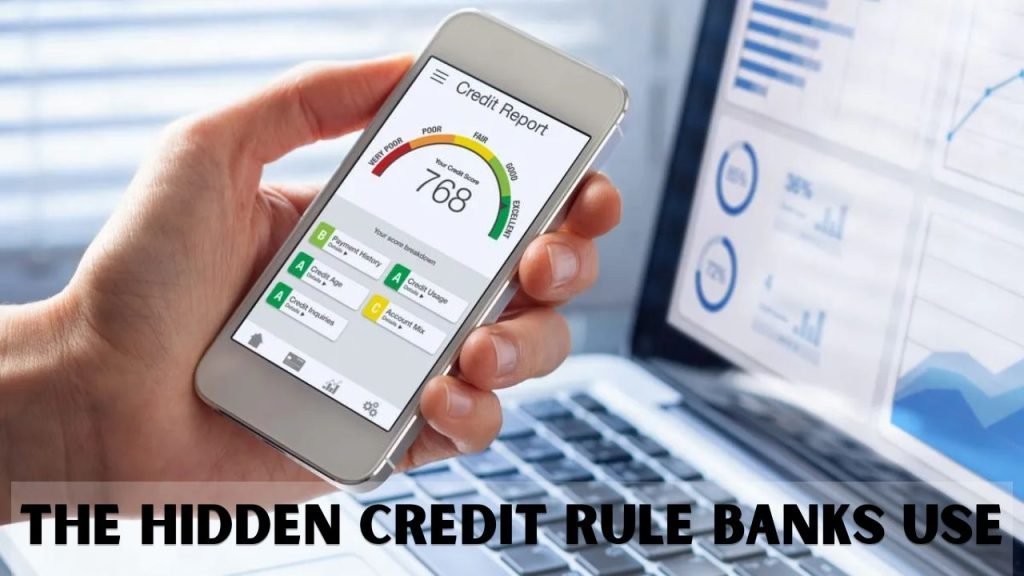
A credit score in Canada is a number between 300 and 900 that represents your creditworthiness, calculated by two bureaus — Equifax and TransUnion. It is primarily shaped by five factors: payment history, credit utilization, credit history length, credit mix, and new inquiries — with on-time payments and low balances mattering most. A score above 660 is generally considered good, qualifying you for most loans and credit products at reasonable interest rates.
Here are the 8 benefits of a good credit score in Canada —
1. Lower Mortgage Rates — Pay Less for Your Dream Home
A strong credit score is your golden ticket to the lowest mortgage rates offered by Canadian banks like RBC, TD, and BMO. Lenders reward high-score borrowers because they’re seen as safe bets, meaning less risk equals a better deal for you. Even a small difference of 0.5% in your interest rate can save you tens of thousands of dollars over a 25-year mortgage. Think of every point you add to your credit score as money going back into your pocket — not your lender’s.
2. Better Car Loan Deals — Drive More, Pay Less
Whether you’re eyeing a Honda Civic or a Ford F-150, your credit score decides how much interest you’ll pay on your auto loan. Canadians with poor credit often get stuck paying 15–20% interest rates, while those with excellent scores can qualify for 0–4% promotional deals. That gap can mean paying thousands of dollars extra over a 5-year loan — just for having a lower score. A good credit score literally puts better wheels under you at a price that doesn’t hurt every month.
3. Easier Apartment Approvals — Get the Place You Actually Want
In competitive rental markets like Toronto, Vancouver, and Calgary, landlords receive dozens of applications and run credit checks on every single one. A score above 650 instantly signals that you’re a reliable, on-time payer — which makes you the landlord’s first choice over other applicants. Without a good score, you risk being rejected, forced to pay a larger deposit, or needing a co-signer just to rent a basic unit.
4. Access to Premium Credit Cards — Get Rewarded for Spending
Canada’s best credit cards — like the Amex Platinum, TD Aeroplan Visa Infinite, or Scotia Momentum Infinite — are only approved for people with strong credit profiles. These cards come loaded with benefits like travel insurance, airport lounge access, cash back, and points on groceries and gas you’d be buying anyway. Without a solid credit score, you’re stuck with basic, low-reward cards that give you almost nothing back.
5. More Job Opportunities — Protect Your Career Too
Many Canadian employers — especially in banking, finance, government, and management roles — run credit checks as part of their hiring process before making a final offer. A history of missed payments or high debt can raise red flags about your judgment and reliability, even if your resume is spotless. Jobs at the Big Five banks, federal agencies, and senior corporate roles routinely require applicants to have a clean financial record.
6. Higher Credit Limits — More Room to Breathe Financially
When lenders see a high credit score, they confidently offer you bigger credit limits on your cards and lines of credit because they trust you’ll pay it back. A higher limit gives you the flexibility to handle emergencies, large purchases, or business expenses without scrambling to apply for new credit at a stressful moment. It also lowers your credit utilization ratio, which ironically boosts your score even further in a rewarding cycle.
7. Lower Insurance Premiums — Save Money Every Single Month
In many Canadian provinces, home and auto insurers factor your credit score into the premium they charge you each month. Statistically, people with high credit scores file fewer claims, so insurers treat them as lower-risk clients and reward them with reduced rates. A poor score, on the other hand, can quietly inflate your insurance bill by hundreds of dollars per year without you even realizing the connection.
8. Financial Peace of Mind — Confidence When Life Gets Unpredictable
Life in Canada comes with unexpected expenses — a car breaks down, a medical bill arrives, a sudden move happens — and your credit score determines how smoothly you can handle those moments. A strong score means you can access emergency financing quickly, at reasonable rates, without panic or rejection. You’ll never feel embarrassed at a rental office, nervous at a dealership, or powerless when you truly need financial help fast.
Here are 7 tips to improve your credit score in Canada
1. Always Pay Your Bills On Time — This One Habit Changes Everything
Payment history makes up roughly 35% of your credit score, making it the single most powerful factor in your entire credit profile. Every time you miss a payment — whether it’s a credit card, phone bill, or car loan — it gets recorded and can stay on your report for up to 7 years in Canada. Set up automatic payments through your Canadian bank app so you never accidentally miss a due date, even during a busy or stressful month.
2. Keep Your Credit Card Balance Below 30% — Don’t Max Out Your Cards
Credit utilization — how much of your available credit you’re actually using — counts for about 30% of your score, making it the second biggest factor after payment history. If your credit card limit is $5,000, try to keep your balance under $1,500 at all times, and ideally closer to $500 for the best possible impact on your score.
3. Don’t Close Your Old Credit Cards — Age Matters More Than You Think
The length of your credit history makes up about 15% of your score, which means older accounts are genuinely valuable assets sitting in your wallet right now. When you close an old credit card — even one you rarely use — you shorten your average credit age and can cause your score to drop noticeably within weeks. Instead of closing that old card from your college days, simply keep it open, use it occasionally for a small purchase, and pay it off immediately.
4. Limit Hard Credit Inquiries — Don’t Apply for Everything at Once
Every time you apply for a new credit card, loan, or financing, the lender runs a hard inquiry on your credit report, and each one temporarily lowers your score by a few points. Applying for multiple credit products within a short period sends a red flag to Canadian lenders, suggesting you might be in financial trouble or taking on more debt than you can handle. The only exception is mortgage or auto loan rate shopping — in Canada, multiple inquiries for the same type of loan within a 14–45 day window are typically counted as just one inquiry.
5. Build a Mix of Credit Types — Show Lenders You Can Handle It All
Having a healthy variety of credit — such as a credit card, a car loan, a student loan, and a line of credit — makes up about 10% of your score and shows lenders you can responsibly manage different kinds of financial obligations. Canadian lenders feel more confident approving applications from borrowers who have proven experience with both revolving credit, like credit cards, and installment loans, like mortgages or auto financing.
6. Check Your Credit Report Regularly — Errors Are More Common Than You Think
In Canada, you’re legally entitled to request a free copy of your credit report from both Equifax and TransUnion once per year, and checking it yourself is a soft inquiry that never affects your score. Studies and consumer reports suggest that a surprising number of Canadians have errors on their credit file — things like incorrect balances, accounts that aren’t theirs, or payments wrongly marked as missed.
7. Become an Authorized User — Borrow Someone Else’s Good Credit History
One of the fastest and most overlooked strategies for building credit in Canada is becoming an authorized user on a trusted family member’s or partner’s credit card account. When you’re added as an authorized user, their positive payment history, low utilization, and long account age all get reflected on your own credit report — even if you never use the card yourself. This strategy is especially powerful for newcomers to Canada, young adults just starting out.